About American Maglev
Founded in 1994 to develop practical magnetic levitation, AMT now applies its systems engineering experience to transportation, energy, industry, and defense. We work from a measurable requirement toward an integrated test, using results to guide the next design decision.

CHRONOLOGICAL EVOLUTION
American Maglev founded in Florida to develop practical, market-driven magnetic transit systems.
1994
![Maglev Logo [Converted].png](https://static.wixstatic.com/media/adf5b4_e3f829e9911f461ea9243c9eb65c9a1e~mv2.png/v1/fill/w_980,h_214,al_c,q_85,usm_0.66_1.00_0.01,enc_auto/Maglev%20Logo%20%5BConverted%5D.png)
1995–1997
Developed foundational eddy-current force technology and secured initial passive bearing patents.

.jpg)
1997
Spinout company Neotonus launched to commercialize noninvasive magnetic neuromuscular medical technology.

1998–2000
Technical team patented an integrated maglev architecture combining levitation and propulsion.
2000
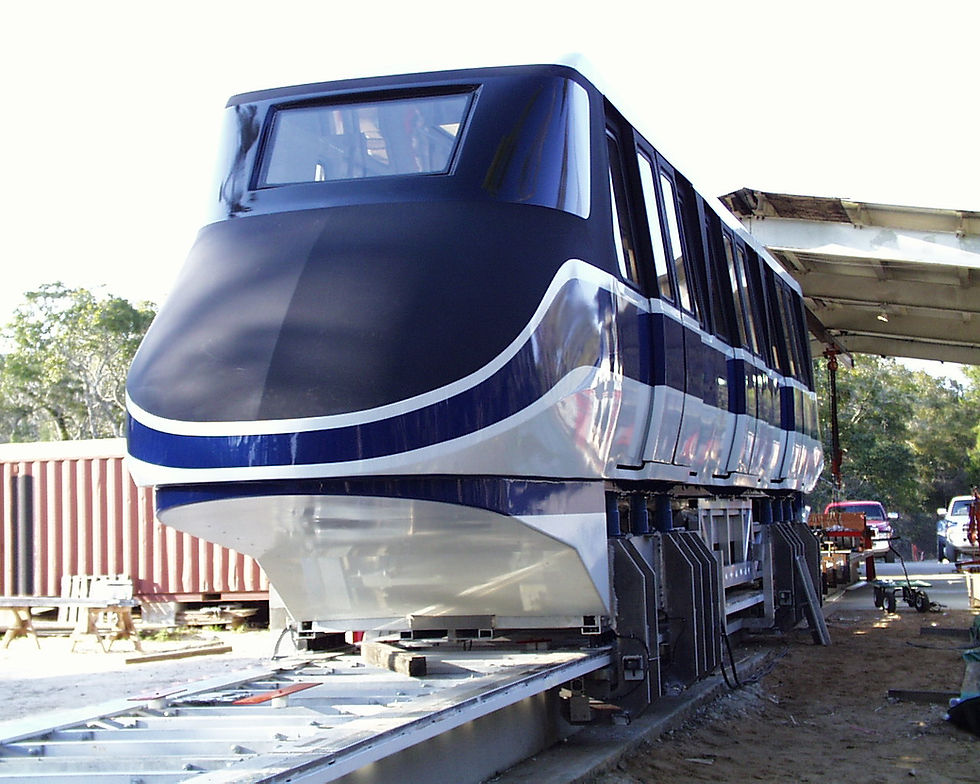
Old Dominion University awarded AMT the contract for a campus people-mover system.
.jpg)
2001
Construction groundbreaking at ODU; civil works for the test track completed in 37 days.
2002–2005
Rigorous testing at the ODU site led to the creation of next-gen suspension designs.
2006
AMT launched development of a new full-scale maglev test site in Powder Springs, Georgia.

The Powder Springs system became fully operational, demonstrating large-scale coordination.
2007
2007–2008
Completed STTR work for the Navy on passive magnetic eddy-current braking systems.
R&D Diversification Phase: expanded into flywheel energy-storage systems and magnetic gears.
2009

2009–2011
DOE supported the development of high-efficiency cycloidal magnetic gears.
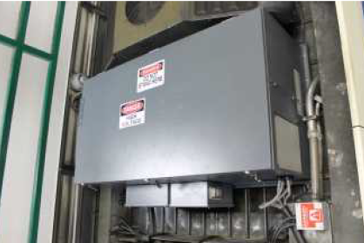
Deployed supercapacitor-based, regenerative-energy units for Portland’s TriMet light-rail fleet.
2011–2013

2015
AMT intensified superconducting research, famously including work for Lexus' hoverboard project.


2019–2021
Federal R&D reached scale; developed passive jet-blast cooling for aircraft carriers and braking systems for the country's high-speed test tracks.

2022
Successfully tested F-18 braking at Wright-Patterson and licensed advanced HTS tech.
AMT operates major platforms across defense and energy; redefining urban mobility globally.
Present Day
.jpg)
THE JOURNEY
AMT developed test facilities in Edgewater, Florida, at Old Dominion University, and in Powder Springs, Georgia. The programs generated magnetic and systems engineering experience that led to applications in energy recovery, passive braking, defense hardware, and superconducting power. American SuperMagnetics is advancing a U.S. high temperature superconductor supply and systems roadmap. The full AMT history, including setbacks and engineering lessons, remains in Our Full Legacy.
EXECUTIVE LEADERSHIP

Tony J. Morris
FOUNDER, President & CEO
Tony has led AMT since 1994, building partnerships for full scale transportation demonstrations and expanding the company into magnetic systems, energy, and defense R&D.

Jordan A. Morris
COO
Jordan leads program execution, federal contracting, strategic partnerships, cybersecurity coordination, and commercialization across AMT projects.